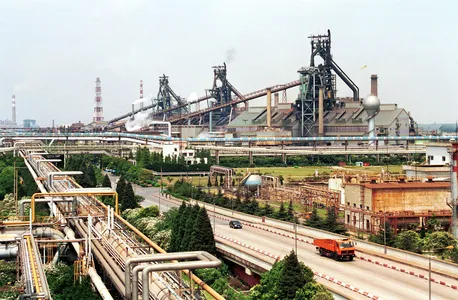
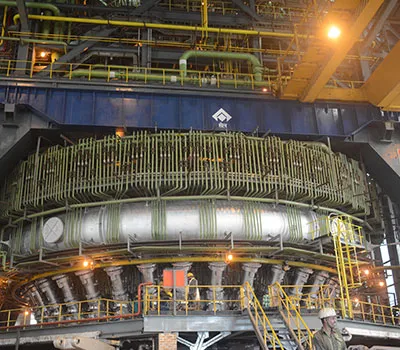
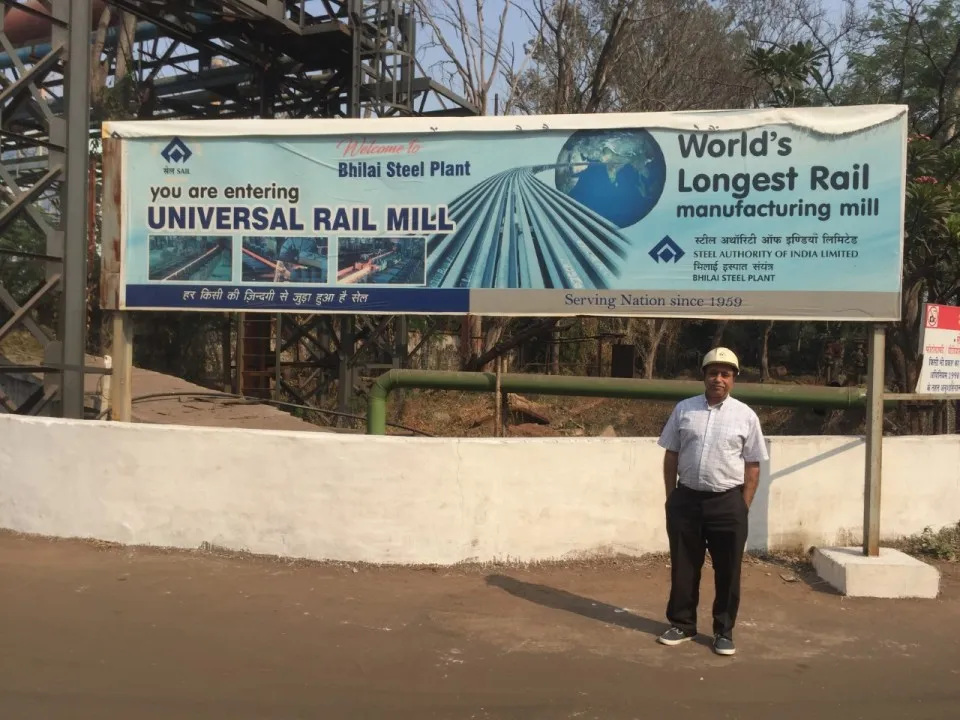
Global Footprint: The Bhilai Steel Plant - operated by Steel Authority of India Limited (SAIL) - was set up in collaboration with Soviet Union in 1955 and remains one of India’s largest integrated steel plants. It has consistently attracted global technical and economic attention due to its scale and output. Year:1955 (established) — ongoing expansions and global contracts Impact: • Established Chhattisgarh as a major steel hub in India. • Led to industrialization, urban development, and job creation. • Enabled export of steel and rail products to multiple countries.
Link : https://www.sail.co.in
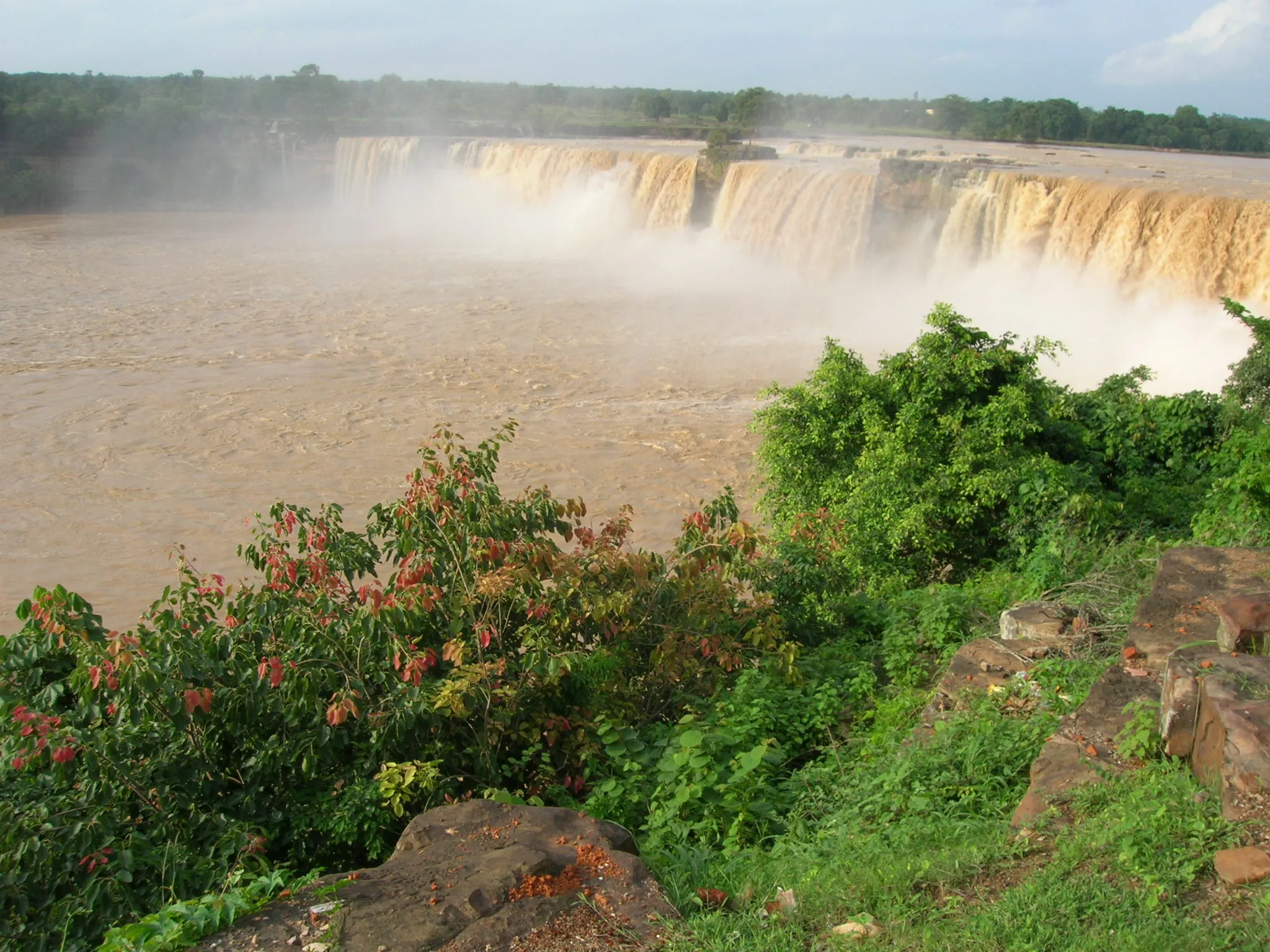
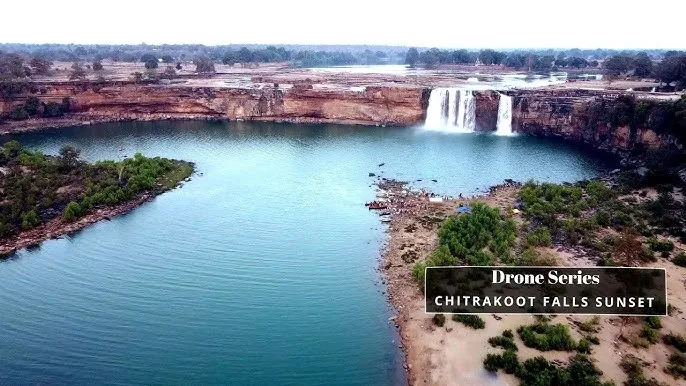
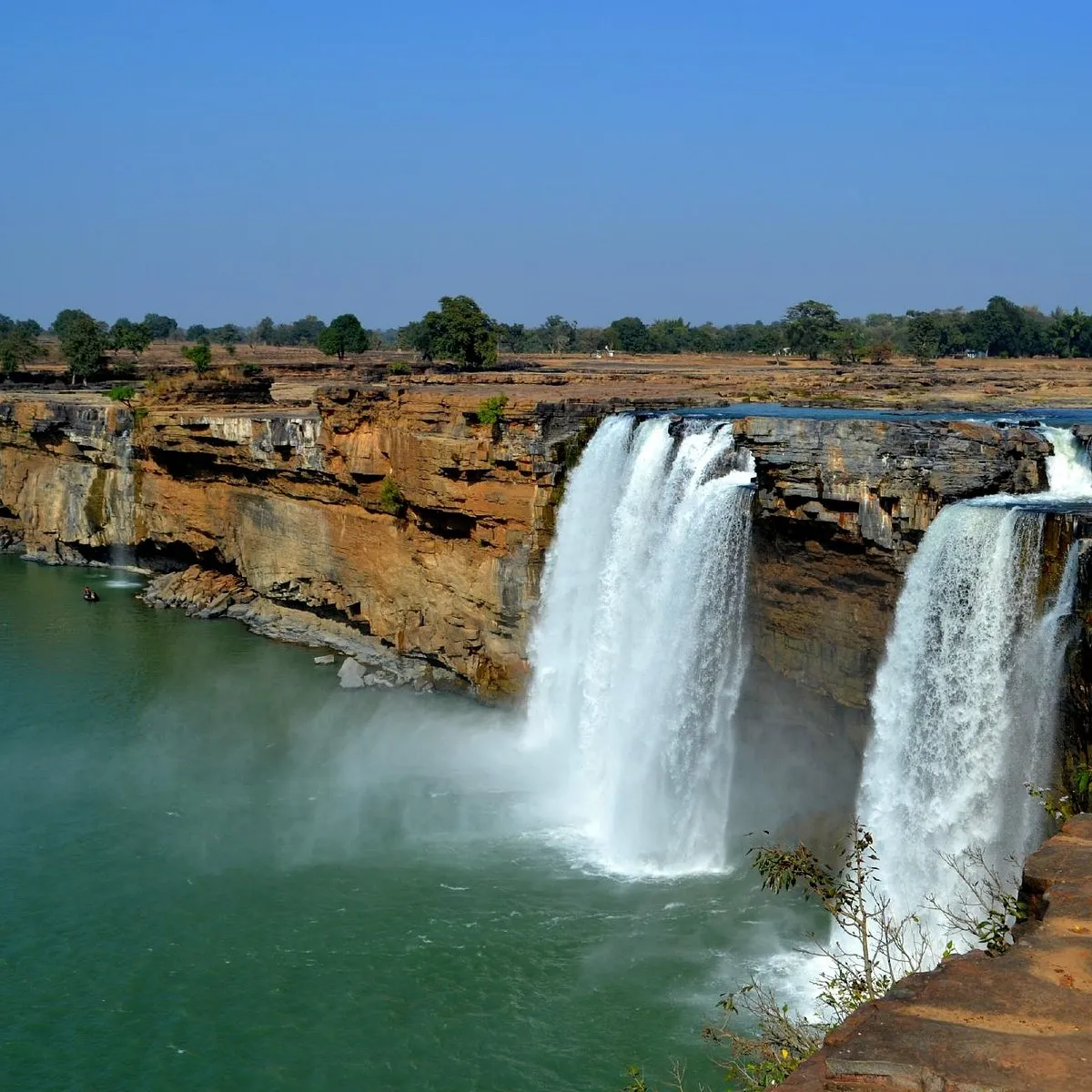
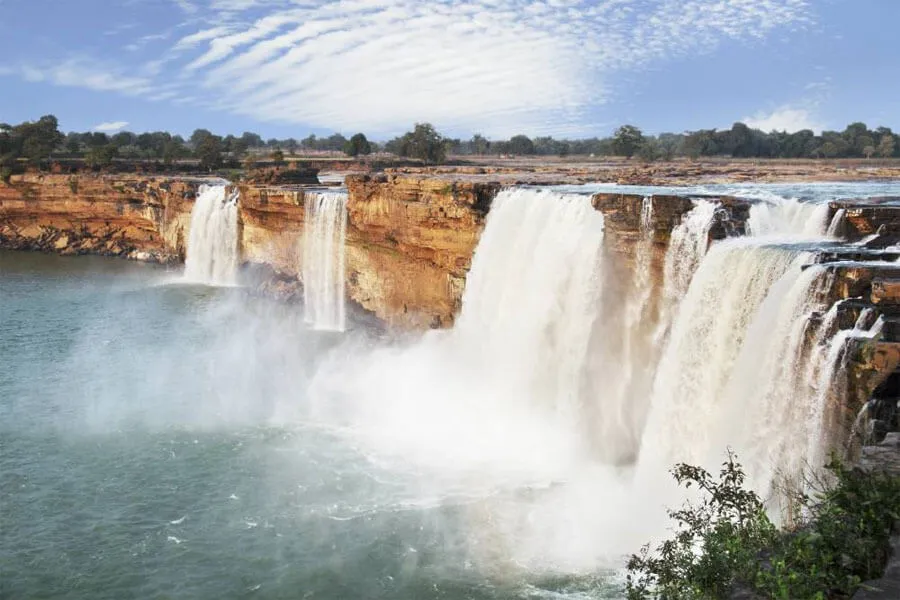
Global Footprint: Chitrakote Falls - often called the “Niagara of India” - gained international tourism recognition through global travel media and eco-tourism initiatives. It has attracted tourists from Europe, East Asia, and North America. Period: 2010s onwards (global promotion of Indian eco-tourism) Impact: • Boosted local tourism economy and infrastructure. • Enhanced global awareness of Chhattisgarh’s natural heritage. • Generated local employment through hospitality and services.
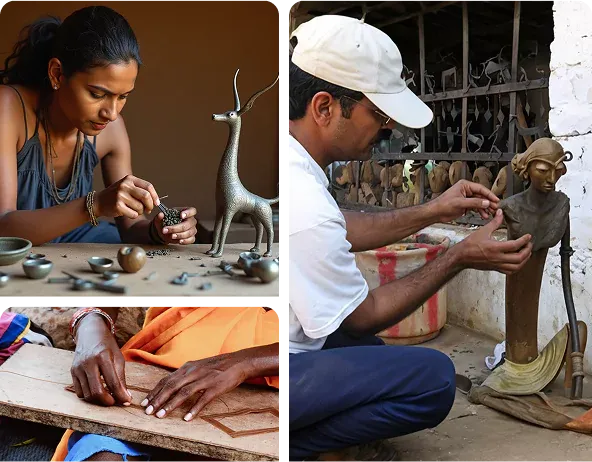
Global Footprint: The unique Bastar tribal art (especially Dokra metal craft) has been showcased in international art exhibitions and cultural fairs in Europe, the USA, and Japan. These crafts have also been exported globally, earning a Geographical Indication (GI) tag for authenticity. Period: Recognition accelerated after 2000s Impact: • Boosted income for tribal artisans and cooperatives. • Preserved traditional heritage while connecting with global markets. • Enhanced Chhattisgarh’s cultural diplomacy.
Link : https://ipindia.gov.in



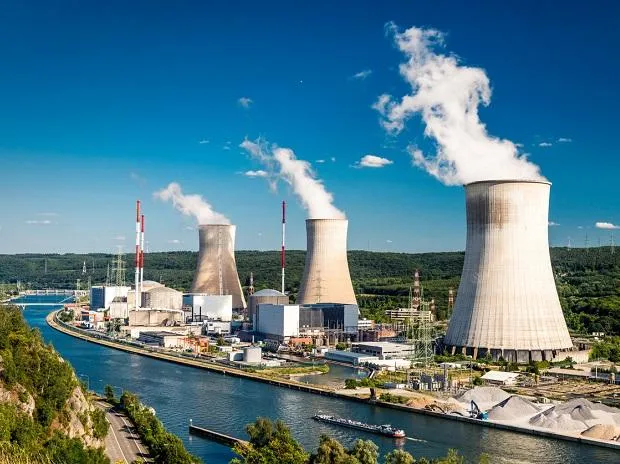
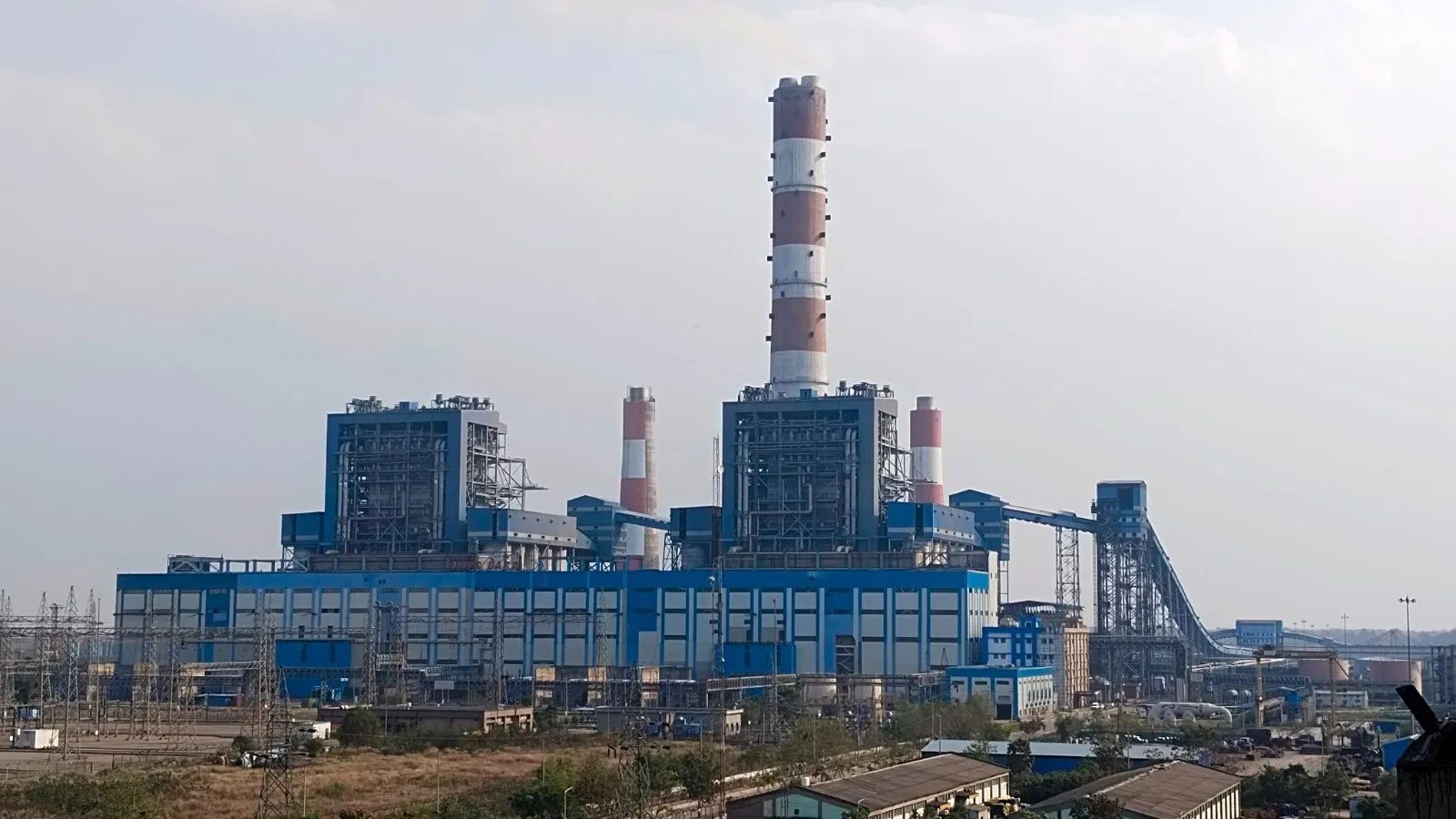
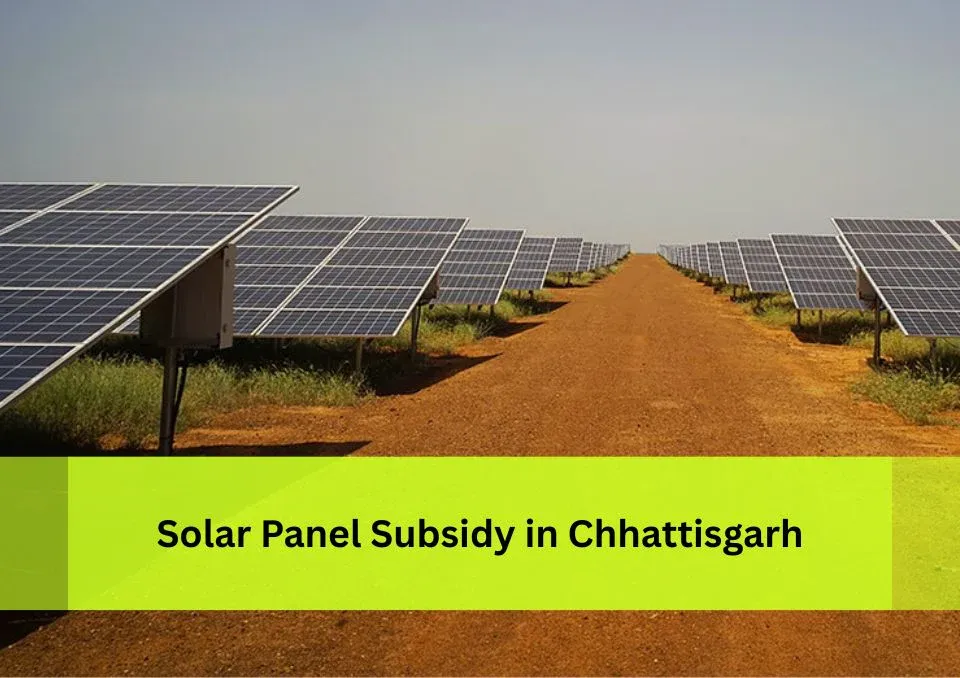
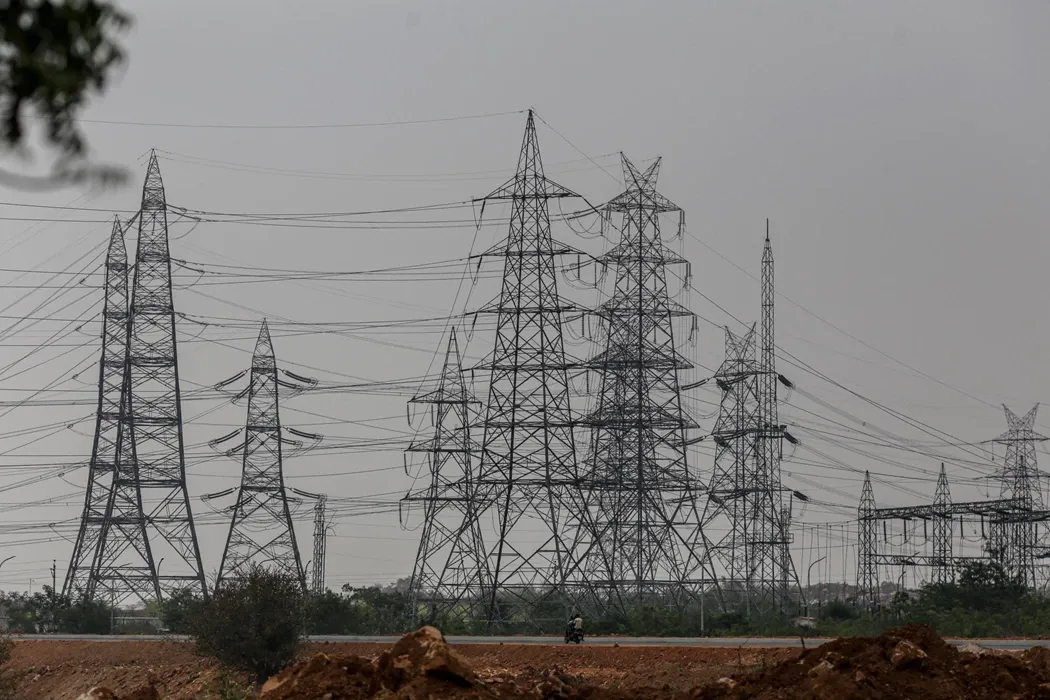
Global Footprint: Chhattisgarh, being one of India’s largest power-producing states, has partnered with international firms and financing agencies for both thermal and renewable energy projects. For example, NTPC Limited’s Lara plant has received global technical collaborations, and international climate funds have supported solar expansion. Period: 2010 onwards Impact: • Increased energy generation capacity and power exports. • Attracted foreign investment in infrastructure. • Enhanced energy security and job creation.
Link : https://www.ntpc.co.in
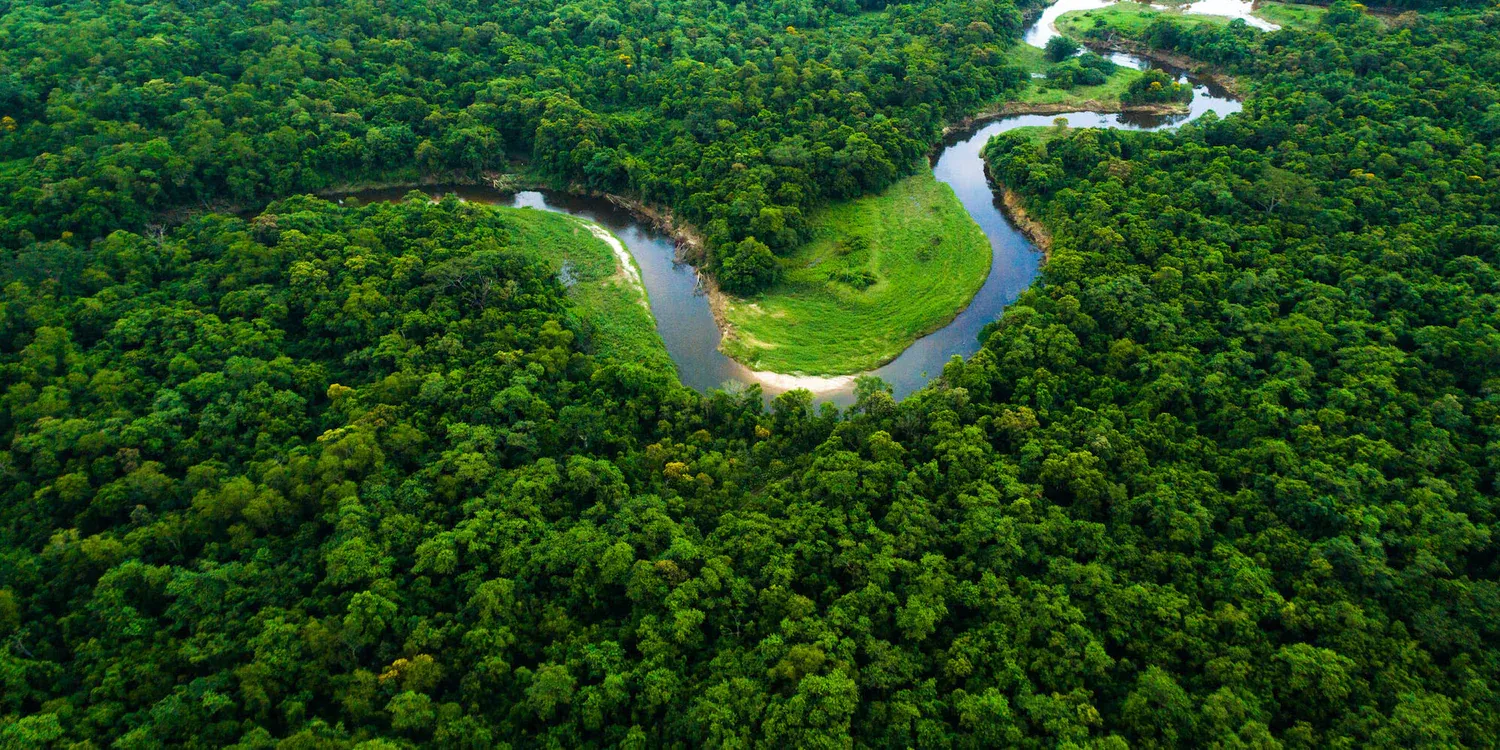
Global Footprint: Chhattisgarh’s dense forest cover and tribal regions have been part of global environmental and climate change projects supported by international organizations such as United Nations Development Programme (UNDP) and World Bank - particularly under the REDD+ (Reducing Emissions from Deforestation and Forest Degradation) framework. Period: 2015 onwards Impact: • Strengthened sustainable forest management. • Brought in global funding for eco-development and tribal livelihood. • Integrated Chhattisgarh into global climate action efforts.
Link : https://www.undp.org/india