

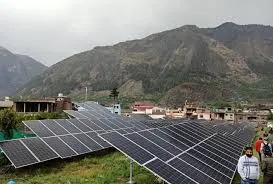
GlobalFootprint: Himachal Pradesh has signed a $200 million (World Bank) project to reform the power sector and increase its renewable energy share. The state aims to become a fully “Green Energy State” by 2026, expanding solar capacity (targeting 500 MW projects in FY 2023-24), green hydrogen, and battery energy storage systems. Period: From ~2023 to 2026. Impact: • Increased clean and renewable power generation; reduced dependence on fossil fuels. • Reduced carbon emissions and environmental footprint. • Employment in new energy projects, especially solar power and green hydrogen. • Improved energy reliability and grid strength, especially in remote or hilly areas.


GlobalFootprint: The HP government announced ₹2,400 crore investment for tourism infrastructure: hotels, wellness, sports, water body-based adventure & religious tourism. It aims to develop Himachal as a tourism capital of India. Period: From 2025 onward (with announcements made in April 2025). Impact: • Increased tourist footfall including international visitors. • Creation of employment in hospitality, services, guides, transport. • Development of supporting physical infrastructure: roads, water bodies, lodging, adventure and wellness tourism offerings. • Revenue generation for state & local communities; diversification of local livelihoods.


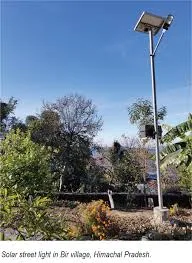
GlobalFootprint: Under the Vibrant Villages Programme-II, ₹117 crore approved for 75 villages along China border in Himachal to improve roads, sewage, solar street lights, community halls and tourism infrastructure. Also, major funds (~₹3,667 crore) approved by Centre for road / bridge / related infrastructure across the state. Period: Recent: ~2024-25. Impact: • Improved connectivity for remote border villages => better access to markets, health, education. • Enhanced living standards through infrastructure (roads, sanitation, power, lighting). • Potential to promote eco-/border tourism. • Strategic value: strengthened border area development.




GlobalFootprint: Himachal has strong tradition in handicrafts: woodcraft, shawls, woollen products, carpets, and herbal / flower-based products. Although specific export numbers in recent data are less highlighted in the sources found, these sectors have global demand. Period: Long-standing, but with increasing policy support now. Impact: • Sustains traditional craftsmanship and cultural heritage. • Source of livelihoods in semi-remote and rural areas. • If modernised / supported, can enhance export earnings, better designs, branding. • Diversifies economy beyond tourism and agriculture.


GlobalFootprint: HP government allocated ₹193.75 crore to set up critical care blocks (CCBs) and district integrated public health labs (DIPHLs) across Himachal to boost healthcare capacity and diagnostic infrastructure. Also, there is policy push for innovation / startups (ex: Himuda Innovation Policy) etc. Period: 2025 for the health allocation; innovation policy ongoing. Impact: • Improved access to quality health care, especially in hills / remote areas. • Better epidemic / outbreak surveillance / diagnostics. • Retention of population, reducing migration for health reasons. • Builds human resources in medical and technical sectors.


