

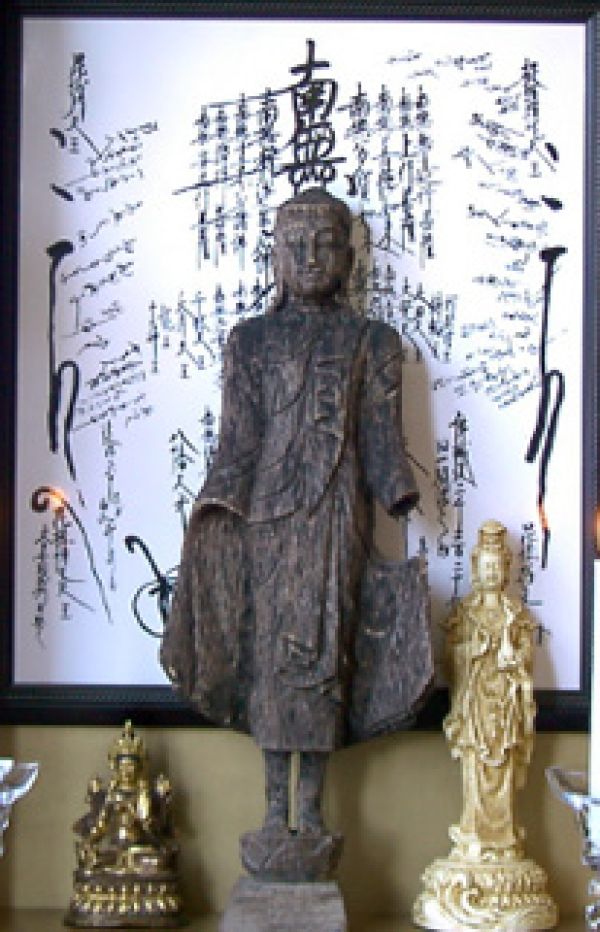
Therigatha, the ninth book of the Khuddaka Nikaya, is considered the earliest known anthology in Indian literature. This Buddhist scripture is a revered collection of 73 short poems composed by early members of the Buddhist sangha, especially the bhikkhunis (nuns). These verses, totaling 522 stanzas across 16 chapters, reflect how their lives were transformed through the teachings of the Buddha.
The poems by bhikkhus (monks) are meditative and often describe spiritual experiences through vivid imagery of nature. In contrast, the verses by bhikkhunis are deeply personal, expressing the emotional struggles and triumphs of women on the spiritual path. Therigatha holds great significance in early Buddhist studies as it affirms the equality of women in achieving enlightenment and spiritual liberation.