

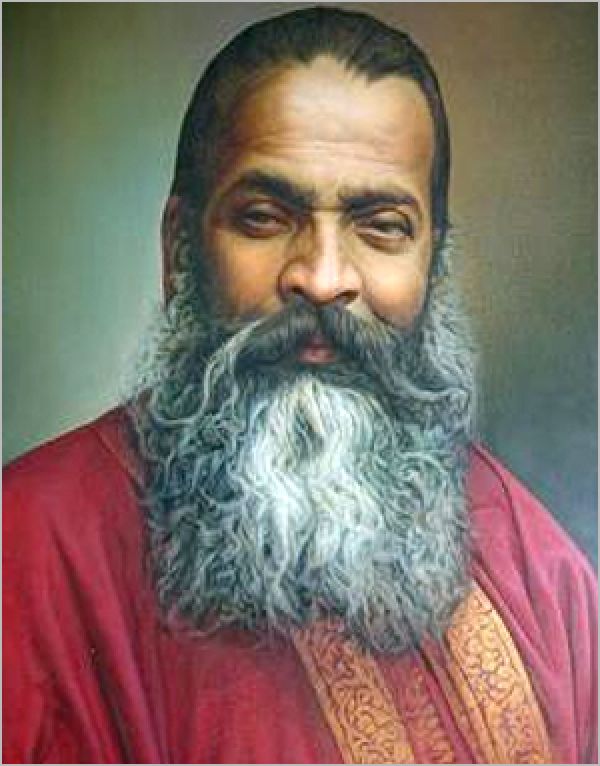
Pandit Vishnu Digambar Paluskar, a pioneering figure in Indian classical music, established the Gandharva Mahavidyalaya on May 5, 1901, in Lahore, making it the first formal music school in India. Born on August 18, 1872, in Kurundwad (present-day Maharashtra), Paluskar sought to democratize music education by moving away from the traditional guru-shishya system where disciples lived and learned under their teacher’s roof. The Gandharva Mahavidyalaya was supported through public donations, contributions from the wealthy, and funds raised through Paluskar’s own concerts, marking a bold new model for music education during the British era.
Paluskar's efforts brought a new dignity and structure to the profession of classical musicians, and many of his early students went on to become prominent performers and educators in North India. His vision not only transformed how music was taught but also reshaped public perception of musicians. In 1908, he returned to Mumbai and established a branch of the Gandharva Mahavidyalaya there. After India gained independence, the Lahore school was eventually relocated to Mumbai, where the legacy of Vishnu Digambar Paluskar continues to influence generations of classical musicians across the country.