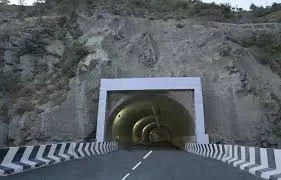

Global Footprint: Jammu & Kashmir has seen a sharp rise in tourist arrivals in recent years. In 2024, about 2.36 crore tourist visits were recorded. Key attractions like Gulmarg, Pahalgam, Sonamarg, and the Vaishno Devi & Amarnath pilgrimages continue to draw visitors both domestic and (growing numbers) international. The government launched the Jammu & Kashmir Tourism Policy 2020 to position J&K as a leading all-season tourist destination. Period: Particularly strong growth since 2019 (post-revocation of Article 370), with policy push from 2020 onward. Impact: • Boost to local economies: lodging, hospitality, transport, services. • Employment generation: many people in remote and mountain areas benefit. • Infrastructure development: better connectivity, master plans for tourist spots, infrastructure for offbeat destinations.
Link : https://ibef.org/states/jammu-and-kashmir-presentation?utm_source=chatgpt.com


Global Footprint: With favourable agro-climatic conditions, J&K produces apples, walnuts, saffron, and other horticulture/fruit crops. The Holistic Agriculture Development Plan (HADP) is implementing multi-project investment to expand yield, storage and processing. Exports of fresh fruit (e.g. apples etc.) are significant. Period: Ongoing; with recent acceleration (2023-24) in area and production growth. Impact: • Provides livelihoods in rural & mountainous areas. • Value addition through fruit processing, storage, cold-chain, improved horticulture. • Export income, foreign market connections. • Helps with food security and supply of premium agricultural products domestically & internationally.
Link : https://www.scribd.com/document/929515655/Economy-of-J-K?utm_source=chatgpt.com


GlobalFootprint: The traditional handicraft industry of J&K is large, including carpet weaving, shawls, silks, pashmina, papier-mâché, walnut wood carving, etc. Approximately 340,000 artisans are directly employed in cottage & handicraft sectors. The export of handicrafts has more than doubled in recent years. Geographical Indications (GI) tags are being used to promote authenticity and export value. Period: Long tradition, but renewed export focus & policy support roughly from early 2020s. Impact: • Sustains traditional crafts and cultural heritage. • Creates employment especially for artisans in remote areas. • Export earnings and global market linkages. • Encourages brand building (GI), improved design, packaging.
Link : https://www.jktpo.in/lander?oref=https%3A%2F%2Fchatgpt.com%2F&utm_source=chatgpt.com
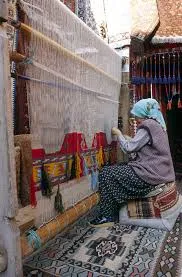
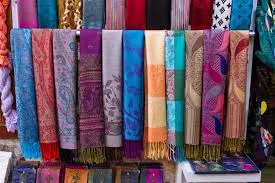


GlobalFootprint: J&K has a total installed power generation capacity of ~3,607 MW (as of March 2025), comprising hydropower (≈ 2,340 MW), thermal, renewable, etc. It has been expanding renewable power and hydropower sources. Period: Long-standing hydropower use; but recent expansions and renewable additions in last few years (2023-25). Impact: • Improving electricity supply and stability in remote / hilly regions. • Reduced dependence on power imports / external sources. • Opportunities for clean/renewable energy investment. • Potential for “hydropower tourism” (e.g., projects combining energy and tourism infrastructure) to attract further investment.

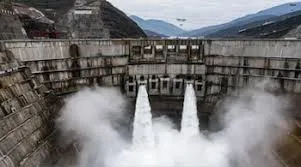


GlobalFootprint: Several policies have been introduced: Jammu & Kashmir Tourism Policy 2020, Industrial Policies; Government is pushing for infrastructure (roads, connectivity, tunnels, highways), investment proposals worth lakhs of crores, business reforms, export action plans. Period: From ~2019 onward; intensifying in 2023-25. Impact: • Improved ease of doing business. • Increased investor interest and proposals for industries & infrastructure. • Better connectivity (roads, transport) helps integrate remote areas, expand markets. • Jobs, regional development, increased export and service capacity.