
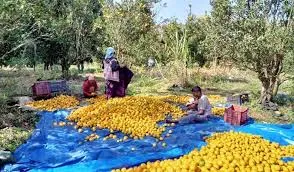
GlobalFootprint: Meghalaya has begun exporting specialty agricultural products to global markets. For example, it exported its first direct consignment of its GI-tagged “Khasi Mandarin” oranges to Dubai. Period: Recent years (2023-25) when export logistics and market access improved. Impact: • Opens pathways for farmers in remote/hill areas to access premium global markets. • Encourages value-addition, improved packaging and supply-chain infrastructure. • Enhances the global profile of Meghalaya’s niche produce.


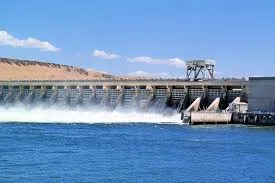
GlobalFootprint: Meghalaya has a substantial hydropower potential (~3,000 MW), positioning itself for clean-energy growth and potential regional expor ofpower/energyresources. Period: Ongoing, with recent policy efforts to harness untapped potential. Impact: • Strengthens the state’s role in clean-energy transition. • Attracts investment in renewable infrastructure and energy sector. • Supports sustainable development in a region with abundant water resources and rainfall.
Link : https://meghalaya.gov.in/22429-sq-km?utm_source=chatgpt.com

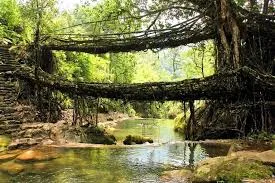
GlobalFootprint: Meghalaya is gaining attention for its natural beauty, heavy rainfall, unique landscapes and adventure tourism potential which appeals to international tourists and niche travel markets. Period: Growing especially in the 2010s-2020s as tourism policy and infrastructuredeveloped. Impact: • Creates jobs in hospitality, guiding, adventure services, rural homestays. • Promotes global visibility of Meghalaya’s niche tourism proposition (e.g., caves, living root bridges, high rainfall zones). • Supports sustainable local economies and conservation of naturalheritage.
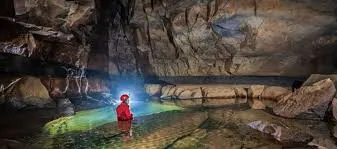

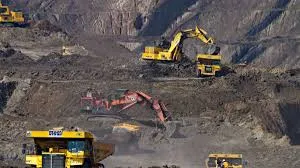
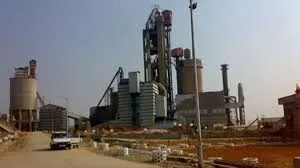
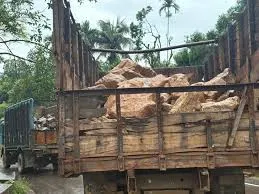
GlobalFootprint: Meghalaya has deposits of coal, limestone, kaolin, uranium, and other minerals; these place it in the global supply-chain map for raw materials. Period: Long-standing resource base; the global push for critical minerals and sustainable use is increasing interest. Impact: • Offers industrial growth potential for mining, processing, materials supply. • Can attract global investment / partnerships in mineral/critical-mineral extraction and processing. • Balanced with ecological considerations, it presents chance for more value-added manufacturing rather than pure extraction.
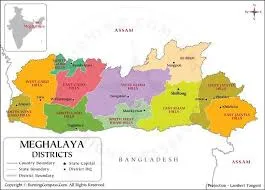
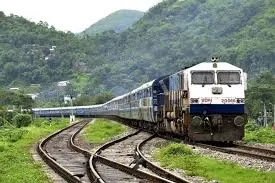
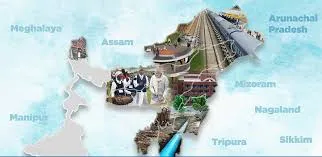
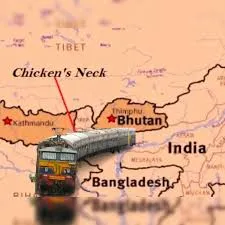
Global Footprint: Situated in Northeast India, Meghalaya shares a border with Bangladesh and is part of the “Act East / regional connectivity” framework. It presents opportunities for regional trade and logistics linking India to Southeast Asia. Period: Increasing emphasis in recent years (2020s) as infrastructure and trade corridorsdevelop. Impact: • Positions the state for cross-border trade, transit logistics, regional export hubs. • Builds infrastructure (roads, rail links) which support global value-chain access for Northeast states. • Enhances investment attractiveness as part of India’s larger regional integration efforts.