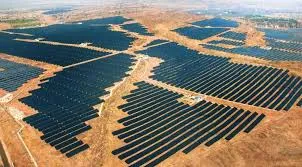
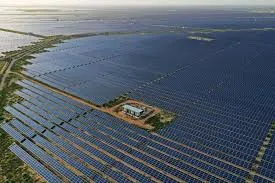
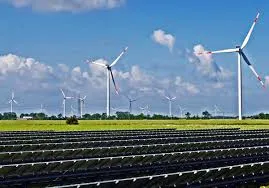
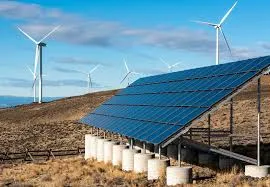
Global Footprint: Rajasthan is a major contributor to India’s global ambition on clean energy. The state accounts for roughly 28% of India’s solar capacity and is aiming for ~125 GW of renewable capacity by 2030. For example, a major agreement of approx. ₹3 lakh crore was signed with the UAE for 60 GW of solar/wind/hybrid projects in Rajasthan. Period: At full scale from mid-2020s onward (with policy targets through 2030). Impact: • Positions Rajasthan on the global clean energy map, attracting foreign investment and technology. • Drives job creation in solar/wind/hybrid manufacturing, installation, O&M and allied services. • Enhances export potential (e.g., solar components, green hydrogen downstream) and strengthens India’s climate credentials. • Utilises large desert tracts and high solar/wind resources to gain comparative advantage in global green supply-chains.
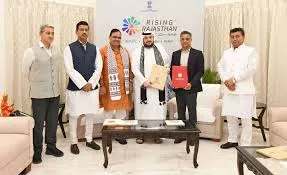
Global Footprint: Rajasthan’s export performance is rising: in FY25 estimates, exports grew by ~16% to nearly ₹97,171 crore. Key export sectors include gems & jewellery, engineering goods, textiles, handicrafts and agro/food-products. Period: Recent years, especially FY24-26, as export push intensifies. Impact: • Integration of Rajasthan firms and SMEs into global value-chains (e.g., gemstone cutting/export, engineering goods supplies). • Creation of job opportunities across rural/urban clusters involved in export manufacturing, logistics, packaging. • Enhances foreign exchange earnings and improves global visibility of Rajasthan’s industrial capability.


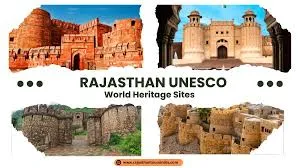
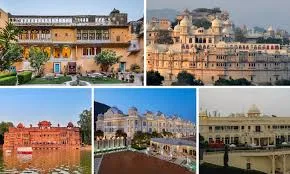
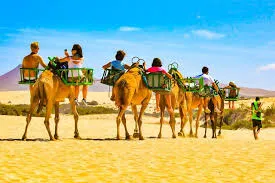
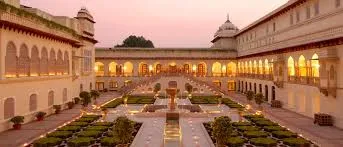
Global Footprint: Rajasthan is aggressively positioning itself as a global tourism destination. The tourism pipeline includes over 1,600 projects worth ~₹1.37 lakh crore. The state has also introduced tourism as an ‘industry’ and regularly updates its tourism policy to attract global investment and visitors. Period: Very recent acceleration (2023-25) in infrastructure & policy for global tourism. Impact: • Boosts international inbound tourism, increasing global visitor numbers and foreign currency earnings. • Drives employment in hospitality, travel services, heritage conservation, wellness resorts, adventure tourism. • Raises global brand recognition for Rajasthan’s heritage (forts, palaces, desert experiences) and culture.
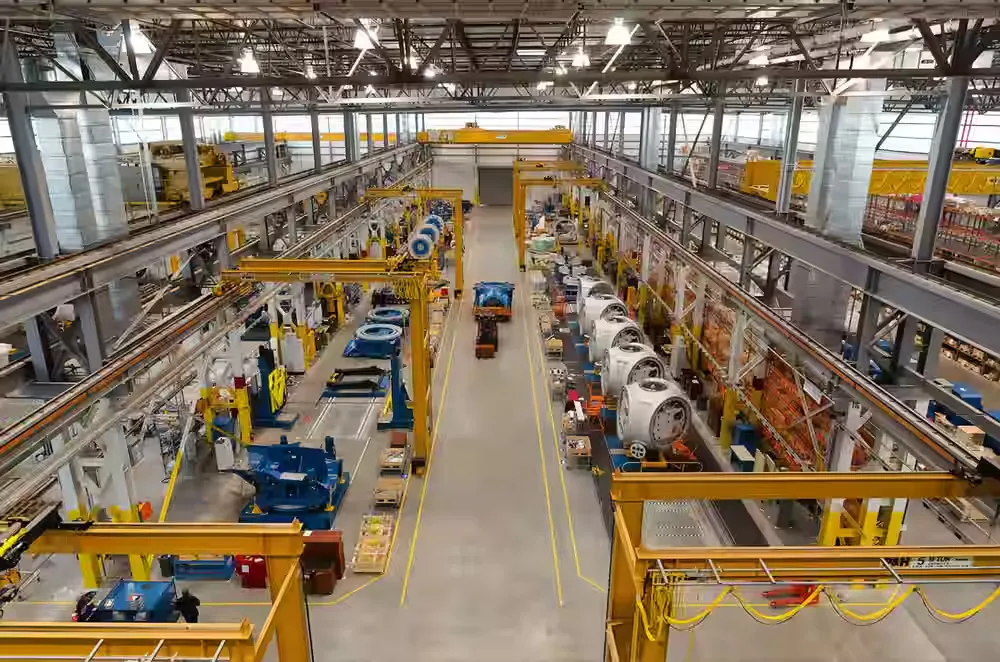
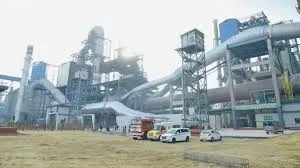
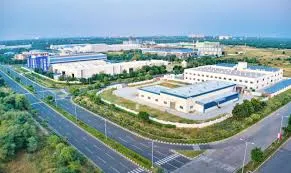
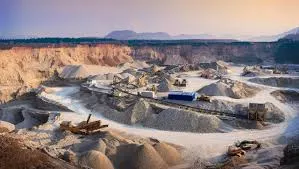
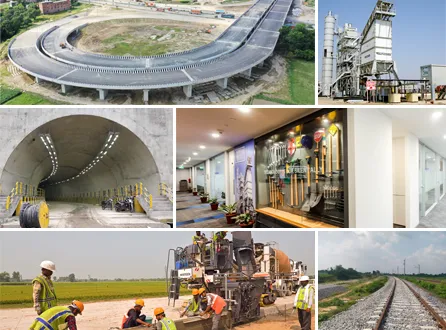
Global Footprint: Rajasthan is making strides in industrial infrastructure and investment attraction. For example, a large cement manufacturing facility (RS 3,000+ crore) was announced by JSW Cement in Nagaur. The state hosts abundant mineral resources, enabling manufacturing export orientation. Period: Ongoing, with acceleration in last few years (2023-25) as industrial parks and investment summits make progress. Impact: • Strengthens global competitiveness of Rajasthan’s manufacturing base (cement, minerals, engineering). • Promotes foreign and domestic investment in large-scale manufacturing projects, contributing to job creation and economic diversification. • Develops infrastructure (industrial parks, land-banks, logistics) that link local industry to global supply-chains.
Link : https://ibef.org/states/rajasthan?utm_source=chatgpt.com
Global Footprint: Rajasthan’s vast desert areas, abundant solar/wind potential, and geographic location give it a strategic advantage in global resource and logistics chains. Its desert land is ideal for large-scale renewable projects. https://rising.rajasthan.gov.in/renewable-energy Period: This strategic advantage is long‐standing but being leveraged more actively now (2020s onward). Impact: • Attracts global firms seeking large tracts of land and predictable sunlight for manufacturing or renewable power. • Positions Rajasthan as an export/logistics hub, connecting manufacturing, energy and mineral resources to global markets. • Enables cost-competitive advantage for large-scale projects (solar parks, manufacturing clusters) due to available land and favourable climatic/resource conditions.