
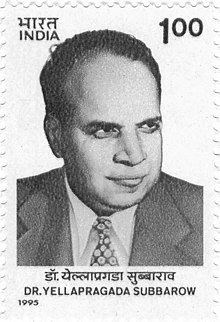
Dr. Yellapragada Subbarow – The Unsung Hero of Modern MedicineDr. Yellapragada Subbarow, born on January 12, 1895, in Bhimavaram (present-day Andhra Pradesh), was a pioneering Indian biochemist whose contributions revolutionized modern medicine. Despite facing poverty and discrimination, he pursued both Ayurvedic and Western medicine before moving to the United States, where he conducted groundbreaking research at Harvard University and later at Lederle Laboratories.Among his major discoveries was adenosine triphosphate (ATP), a fundamental molecule in cellular energy transfer, and the synthesis of folic acid. Subbarow’s work led to the development of life-saving drugs such as diethylcarbamazine (DEC) for filariasis, Aureomycin the first broad-spectrum antibiotic and Methotrexate, a critical drug in cancer and autoimmune disease treatment. While his scientific contributions were immense, he received limited recognition during his lifetime due to institutional and racial biases.Dr. Subbarow passed away on August 9, 1948, but his legacy continues through the millions of lives saved by his discoveries. He remains a symbol of perseverance, brilliance, and quiet heroism rightly remembered as a man who, though largely unknown in his time, changed the course of medical science