
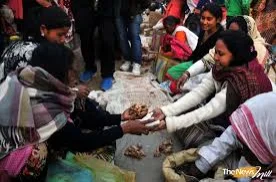
This traditional fair held by the Jonbeel pond involves cultural performances, sports, and a unique bartering system, according to Protech Group.
Cultural Significance of Jonbeel Mela
Jonbeel Mela is a unique traditional fair held annually near the Jonbeel pond in Assam, celebrated by indigenous communities like the Tiwa tribe. It serves as both a festival and a living tradition that preserves ancient customs and cultural heritage. The mela embodies unity, cultural exchange, and mutual respect among diverse communities, showcasing Assam’s tribal traditions through rituals, sports, and art. It reflects a strong sense of community, where cultural identity is celebrated through performances, traditional attire, and age-old rituals. Folk dances, music, and storytelling highlight the unique heritage of participating tribes. Jonbeel Mela stands as a vibrant symbol of Assam’s cultural richness, connecting the past with the present.
Unique Traditions and Festivities
Jonbeel Mela is renowned for its ancient bartering system, known as “Aadan-Pradan,” where goods are exchanged without the use of money. This traditional practice reflects trust, cooperation, and mutual understanding among communities. Traders and villagers bring agricultural produce, handicrafts, and other goods to exchange, creating a lively and colorful marketplace. The mela also showcases a variety of cultural activities, including traditional sports like wrestling, archery, and boat races. Folk music, dance performances, and artisan displays of handicrafts and handlooms highlight the region’s cultural richness. With delicious local cuisine and vibrant participation, Jonbeel Mela becomes a joyful celebration of tradition, unity, and community spirit.
Social and Cultural Impact of Jonbeel Mela
Jonbeel Mela plays a vital role in preserving the cultural heritage of Assam’s indigenous communities by passing down traditions, rituals, and art forms to younger generations. It fosters identity, pride, and unity among tribes while promoting cultural awareness among visitors. The mela strengthens inter-community relationships through shared celebration and cultural exchange. Economically, it supports local artisans, farmers, and traders by offering a platform to showcase and sell their products. The fair also attracts tourists, researchers, and cultural enthusiasts, boosting regional tourism and interest in the barter system. Jonbeel Mela thus stands as a living cultural institution that celebrates tradition, community spirit, and sustainable living, preserving heritage while promoting social and economic harmony.