
Declared a state festival, the government supports cultural events and programs around this occasion to promote temple tourism.
The Significance and Origins of Ratha Saptami
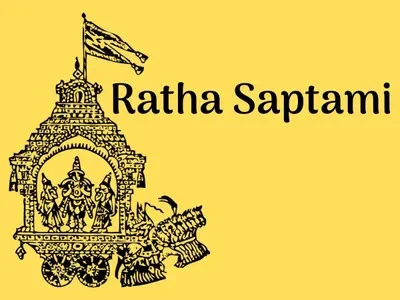
Ratha Saptami is a significant Hindu festival dedicated to Lord Surya, the Sun God, celebrated across Andhra Pradesh and India on the seventh day (Saptami) of the bright half of the Magha month. Marking the Sun’s symbolic northward journey and the onset of agricultural activities, it represents prosperity, health, and spiritual renewal. Rooted in ancient scriptures, the festival depicts the Sun God riding his chariot (Ratha) across the sky, spreading light and energy that sustain life. Farmers regard this day as highly auspicious, reflecting gratitude for the Sun’s vital role in nature, growth, and human well-being.
Rituals, Celebrations, and Temple Traditions
Ratha Saptami is celebrated with devotion through rituals such as early morning holy baths (Surya Snanam), vibrant rangolis, and prayers to the Sun God for health and prosperity. Devotees perform Surya Aradhana and chant sacred mantras, while temples dedicated to Lord Surya are beautifully decorated and host elaborate poojas and cultural events. In Andhra Pradesh, the festival also promotes temple tourism, featuring folk performances, devotional music, and art exhibitions that draw devotees and visitors alike. Processions and educational programs further highlight the mythology and significance of the day, blending spirituality, culture, and community participation.
Cultural and Tourism Impact
Ratha Saptami has evolved from a religious observance into a major cultural and tourism event in Andhra Pradesh, promoting heritage tourism while preserving traditional practices. Through temple festivals, performances, and local events, visitors experience both spiritual devotion and cultural richness. The festival fosters community participation and strengthens social unity as people from various regions come together to celebrate. Highlighting the Sun’s vital role in nature and agriculture, Ratha Saptami symbolizes the harmony between spirituality, tradition, and sustainable development, reflecting the deep connection between human life and natural forces.