
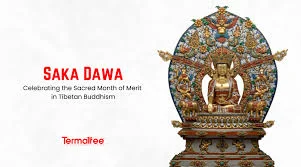
A holiest Buddhist festival observed in May or June, commemorating the birth, knowledge, and death of Lord Buddha, with devotees visiting monasteries, spinning prayer wheels, and joining colorful processions.
Honoring the Life of Lord Buddha
Saga Dawa, celebrated in May or June according to the lunar calendar, is one of the holiest Buddhist festivals, commemorating the birth, enlightenment, and Mahaparinirvana of Lord Buddha. It is a time for spiritual reflection, devotion, and the pursuit of virtue, emphasizing compassion, wisdom, and ethical living. Monasteries across Sikkim, Arunachal Pradesh, Bhutan, and other Buddhist regions become centers of pilgrimage, where devotees offer prayers, chant scriptures, and seek blessings, deepening their connection with Buddha’s teachings and guiding principles.
Rituals, Processions, and Devotional Practices
The festival is marked by diverse religious and cultural activities that engage the community in devotion and service. Devotees visit monasteries, make offerings, and spin prayer wheels to accumulate merit, while colorful processions with traditional music, dance, and chanting enliven the celebrations. Acts of charity, such as feeding the poor and supporting monasteries, reflect Buddhist values of generosity and kindness. Homes and monasteries are decorated with prayer flags and lamps, creating a sacred ambiance that reinforces spiritual growth, mindfulness, and harmony among participants.
Spiritual Significance and Cultural Impact
Beyond religious observance, Saga Dawa preserves and promotes Buddhist culture and heritage, providing a platform to pass down traditions, teach Buddha’s teachings to younger generations, and showcase local art, music, and rituals. The festival strengthens community identity while fostering intercultural understanding and attracts tourists and pilgrims from around the world. By emphasizing spiritual devotion, ethical living, and communal harmony, Saga Dawa continues to inspire faith, peace, and cultural pride across Buddhist communities, keeping the legacy of Lord Buddha alive in contemporary life.