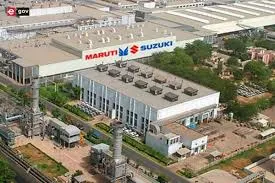
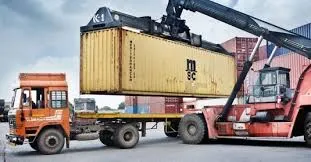
GlobalFootprint: Haryana is home to major automobile manufacturers (e.g. Maruti Suzuki in Manesar/Gurugram) and large textile / home furnishing clusters such as in Panipat. These industries export products to markets across Asia, Europe, and the Americas. Period: Since liberalisation in the 1990s, accelerating in the 2000s and 2010s; continuing today. Impact: • Generates large-scale employment across manufacturing and ancillary supply chain firms. • Drives foreign exchange earnings and contributes substantially to India’s merchandise export growth; Haryana had one of the highest growth rates in merchandise exports in FY 2023-24. • Builds industrial infrastructure, improves connectivity, and enhances labour skills.


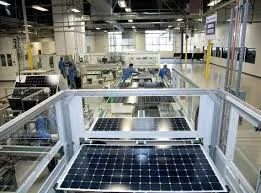
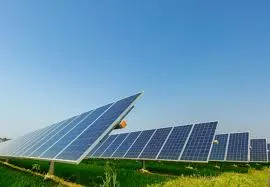
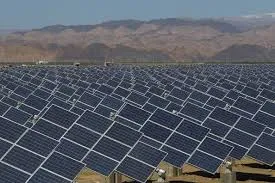
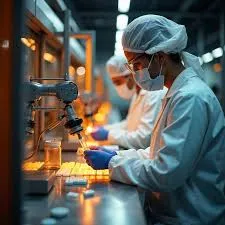
GlobalFootprint: Haryana is investing heavily in solar module manufacturing (e.g. Airox Nigen / Ahaan Solar’s 2 GW module facility in a renewable energy park, HVR Solar’s 2 GW plant in Sonipat), and is drafting policies for green hydrogen, electrolyzer manufacturing, and helping industries shift to green/open access energy. Period: Mostly recent - mid-2020s to target horizon 2030. Impact: • Strengthens Haryana’s role in global supply chains for clean energy products. • Reduces import dependence and promotes “Make in India” for advanced energy technologies. • Creates new high-tech manufacturing jobs, and supports rural/agricultural communities via solar/power-related innovations (solar pumps etc.).
GlobalFootprint: Haryana has emerged as one of the major startup hubs in India, with thousands of DPIIT-recognised startups (≈ 8,800+), efforts to build world-class incubators (H-HUB in Gurugram), and policy frameworks aimed at attracting global tech and service companies, GCCs, etc. Period: Especially accelerating from 2020 onward; current plans ongoing. Impact: • Creates high-skilled employment. • Encourages foreign investment and technology transfer. • Positions Haryana as globally competitive in services, innovation, R&D.



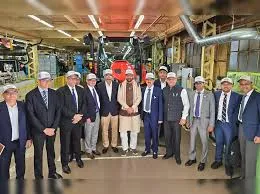
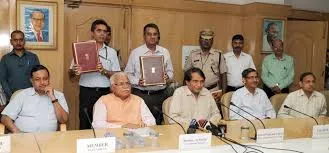
GlobalFootprint: Through events like the Happening Haryana Global Investors’ Summit, the state government has signed large MoUs (for example ~Rs 5.84 lakh crore in one summit) attracting multinational corporations, especially in manufacturing, automotive, and green tech. Haryana is also seeking international partnerships (e.g. with Japanese provinces) to expand in automotive, robotics, etc. Period: Especially strong in the last decade, intensifying mid-2020s. Impact: • Massive potential capital inflows into infrastructure, industrial parks, manufacturing units. • Job creation at a large scale-both in core sectors and peripheral services. • Balanced regional development, including beyond NCR areas.
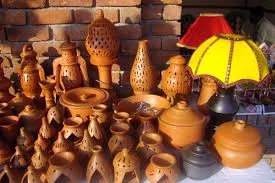
GlobalFootprint: Haryana hosts large international craft fairs (Surajkund International Crafts Mela), heritage festivals (Pinjore Heritage Festival), Mango Mela, and the International Gita Mahotsav. These events attract domestic and international visitors, artisans, media and help spread awareness of Haryana’s heritage, crafts, cuisine. Period: These have been ongoing for years; Surajkund especially since the early 2000s; increasing global attention recently. Impact: • Boosts tourism, hospitality, craft industry incomes. • Enhances soft power by promoting culture internationally. • Encourages preservation of art, crafts, heritage sites.
Link : https://haryanatourism.gov.in/fair-and-festivals/?utm_source=chatgpt.com