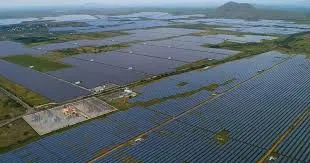
GlobalFootprint: located in Tumakuru district, is one of the largest solar parks in the world with a 2,050 MW capacity. The project has drawn attention from global renewable energy bodies and aligns with India’s international climate commitments. It was developed by the in collaboration with central agencies and foreign investors. Year: Construction began in 2016 - fully operational by 2019. Impact: • Elevated Karnataka to the global renewable energy map. • Attracted foreign investment and technology partnerships. • Created employment and improved infrastructure in rural areas. • Contributed significantly to India’s solar energy targets under global climate goals.
Link : https://en.wikipedia.org/wiki/Pavagada_Solar_Park?utm_source=chatgpt.com
GlobalFootprint: Karnataka became the first Indian state to announce a Global Capability Centre (GCC) Policy, encouraging international companies to set up their innovation and R&D hubs across Karnataka - not just in Bengaluru but also in Mysuru, Hubballi-Dharwad, and Mangaluru. Year: Launched in 2024, with targets up to 2029. Impact: • Expected to establish over 500 new GCCs and generate 350,000 new jobs. • Enhanced Karnataka’s global image as a technology and service hub. • Encouraged balanced economic development beyond Bengaluru. • Attracted global investments from the U.S., Japan, and Europe in IT and innovation sectors.


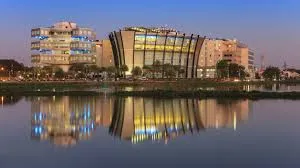
GlobalFootprint: Japanese multinational inaugurated its advanced manufacturing facility, “Orchard Hub,” in Hubli, Karnataka. This marks a significant foreign direct investment (FDI) in India’s manufacturing sector, emphasizing the region’s potential for industrial expansion. Year: 2025 (Inauguration of the new facility) Impact: • Strengthened Japan–India industrial collaboration. • Created employment and industrial infrastructure in Hubli-Dharwad. • Supported Karnataka’s goal to expand manufacturing beyond the capital region. • Promoted technology transfer and skill development.


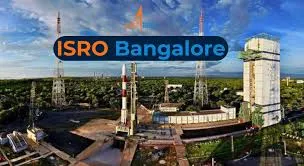
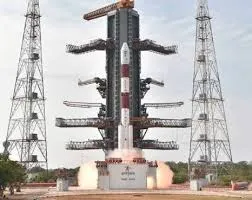
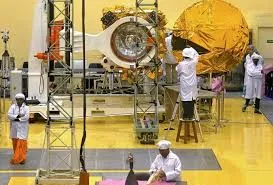
GlobalFootprint: Karnataka, home to and India’s space-tech ecosystem, launched India’s first State-Level Centre of Excellence (CoE) in Space Technology in partnership with the SatCom Industry Association-India and global research institutions. This initiative connects Karnataka to global space innovation networks. Year: 2025 (announcement and collaboration phase) Impact: • Strengthened Karnataka’s position as a global hub for space and satellite technology. • Encouraged international research partnerships and startup ecosystems. • Enhanced educational and industrial R&D collaborations in aerospace and AI. • Promoted technology-driven employment in the state.
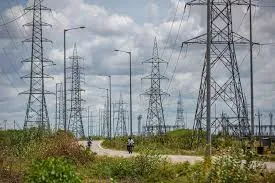
Global Footprint: Karnataka announced plans to upgrade its power transmission network (400 kV → 765 kV) to support global data centers and AI-based industries. Simultaneously, the state aims to develop a $20 billion Quantum Economy by 2035, collaborating with global tech and research partners. Year: 2025 (announcements and project initiations) Impact: • Strengthened Karnataka’s capacity for hosting large global data centers. • Promoted energy efficiency and technological modernization. • Attracted investments from multinational tech companies. • Positioned Karnataka as a pioneer in the global quantum technology race.