
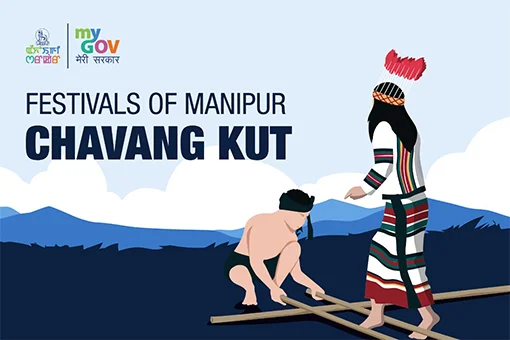
This autumn festival, celebrated by the Kuki-Chin-Mizo communities on November 1st, gives thanks for a bountiful harvest.
A Celebration of Harvest and Gratitude
Kut Festival, celebrated on November 1st by the Kuki-Chin-Mizo communities in Northeast India, marks the end of the harvest season. It is a time to give thanks to nature and deities for a bountiful yield. Families and communities gather to express gratitude for crops, livestock, and other resources that sustain their livelihoods. Traditional rituals, prayers, and offerings honor ancestral spirits and seek blessings for continued prosperity. The festival reflects the agrarian lifestyle and the close bond between humans and the environment.
Rituals, Music, and Dance
The festival comes alive with vibrant rituals, music, and traditional dances. Villagers perform folk songs, drumming, and dances that narrate harvest stories, folklore, and local history. Elaborate costumes and rhythmic movements symbolize harmony, gratitude, and collective joy. Communal feasts are central, where freshly harvested food is shared, strengthening family and community bonds. Elders pass down cultural knowledge and agricultural wisdom to younger generations, preserving the community’s heritage.
Cultural Pride and Community Unity
Kut Festival highlights the cultural identity of the Kuki-Chin-Mizo people through traditional customs, crafts, and artistic performances. Cultural exhibitions and events showcase local talents and heritage, engaging both participants and visitors. The festival fosters unity as villagers collaborates in organizing rituals and festivities. By preserving traditions and encouraging cooperation, Kut Festival strengthens social cohesion, cultural pride, and continuity, making it a vital celebration of gratitude, community, and identity.